Posted On: July 22, 2026
Posted By: KSNM DRIP
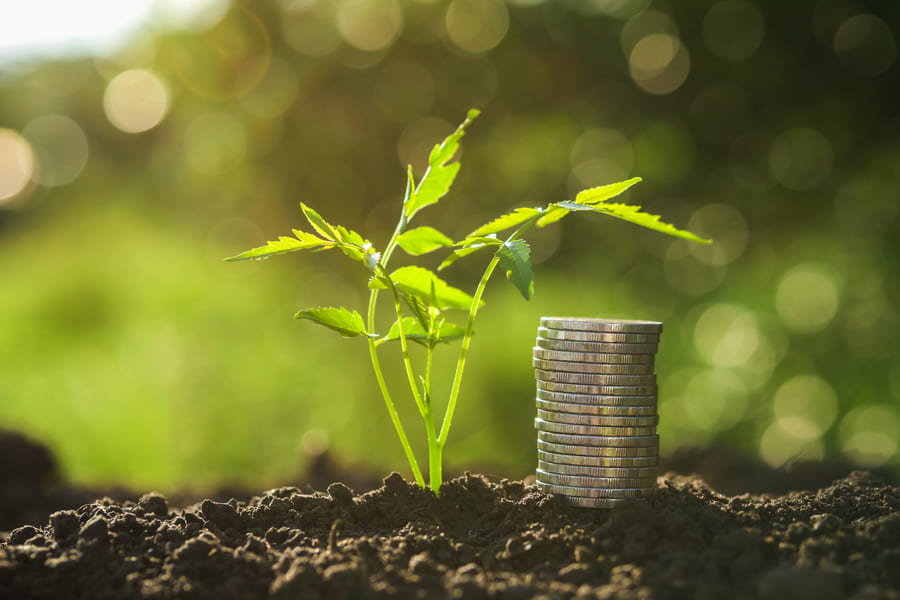
Reducing irrigation costs can include cutting water, electricity, and labor waste without lowering crop output. This guide shows farmers how to cut irrigation costs through drip irrigation, smarter scheduling, and better maintenance, without ever compromising crop yield or quality.
What if you could cut your water bill in half without losing a single kilo of harvest? Most farmers assume saving on irrigation means sacrificing yield somewhere down the line. That assumption costs them money every single season.
Drip irrigation changes that equation entirely. It delivers water directly to the root zone, cutting waste from evaporation and runoff while keeping crops fully hydrated. Combine that with smarter scheduling and routine maintenance, and the savings compound fast.
In this guide, you’ll learn how KSNM Drip reduces irrigation costs through practical, field-tested methods, without touching your yield numbers.
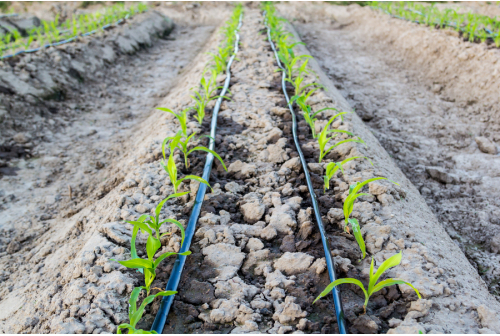
The fastest way to cut costs without losing yield is switching from flood or sprinkler irrigation to drip irrigation. Drip systems deliver water directly to the root zone instead of soaking the entire field surface, which means less water lost to evaporation and runoff.
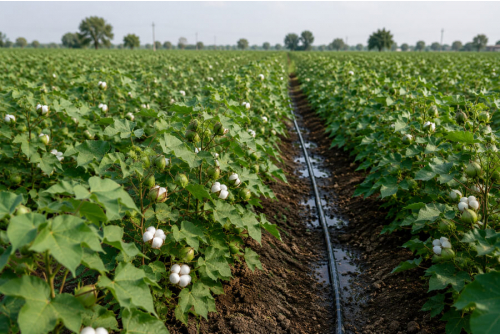
Think about a farmer irrigating a 3-acre cotton field using flood methods. He's pumping water across the entire surface, but the crop only absorbs a fraction of it at the root zon. Switch that same field to drip irrigation, and the pump runs less, the electricity bill drops, and the crop still gets exactly what it needs.
The savings aren't just about water volume. Less water pumped means less electricity consumed, less labor spent manually directing flow, and fewer fertilizer losses since drip systems allow precise fertigation alongside watering. Sprinkler Irrigation can also reduce costs, though drip irrigation generally delivers greater savings for row crops.
Drip irrigation works because it eliminates waste at the source. Water travels through pipes directly to each plant's root zone, so there's almost no water lost to wind drift, surface evaporation, or uneven field absorption. KSNM Drip gives an insight into how drip irrigation helps in saving water.
For instance, a vegetable farmer growing tomatoes on flood irrigation might use 100 units of water per acre, but the crop effectively uses only 50 to 60 units. Switch to drip, and that same crop gets its full requirement using roughly 60 to 70 units total. The gap between water pumped and water used shrinks dramatically.
According to research from the Indian Council of Agricultural Research, drip irrigation can reduce water consumption by up to 40 to 50% compared to conventional flood methods, while maintaining or even improving yield in several crops. That's not a marginal saving. It's the difference between profitable farming and breaking even.
Even with drip irrigation installed, poor scheduling habits waste water and money. Watering during peak afternoon heat causes higher evaporation losses before water even reaches the root zone properly. Early morning or late evening irrigation cuts that loss significantly.
If a banana grower in Tiruppur shifts his watering schedule from midday to early morning, his electricity usage will drop because pumps run during off-peak hours, and his soil retains moisture longer into the day. Small timing shifts like this add up across a full season.
Pairing your schedule with a simple soil moisture check, even just pressing a finger into the topsoil, prevents overwatering. Many farmers water out of habit rather than actual crop need, and that habit alone inflates costs without adding any yield benefit.
Skipping maintenance is one of the most overlooked ways farmers lose money on irrigation. A clogged emitter doesn't just reduce water delivery to that plant. It often goes unnoticed for weeks, during which the plant underperforms and yield quietly drops in that section of the field.
Regular filter cleaning prevents sediment buildup before it reaches your emitters. KSNM's filter range offers options suited to borewell, canal, and open water sources, each designed to catch the specific debris common to that water type. Also, KSNM walks you through choosing the right filter for your drip irrigation system.
Checking laterals for leaks every few weeks also matters more than most farmers realize. A small leak might seem harmless, but over a full season, it can waste thousands of litres while silently reducing pressure to the rest of the line.
Reducing irrigation costs without affecting crop yield comes down to three habits. By choosing drip irrigation over wasteful methods, scheduling water delivery smartly, and maintaining your system before small issues become expensive ones. None of these require cutting back on what your crops actually need. They simply eliminate the waste sitting between your pump and your harvest.
Start with one change this season, whether it's switching your watering time or finally cleaning that filter you've been putting off. Ready to cut costs the right way? Contact KSNM Drip today to reduce your financial burden without affecting your crop yield.





 Drum Seeder and Cono...
September 02, 2026
Drum Seeder and Cono...
September 02, 2026
 Jasmine and Marigold...
August 27, 2026
Jasmine and Marigold...
August 27, 2026
 Understanding KSNM's...
August 20, 2026
Understanding KSNM's...
August 20, 2026
 Water Crisis 2026: W...
August 06, 2026
Water Crisis 2026: W...
August 06, 2026
 Cotton Drip Irrigati...
August 13, 2026
Cotton Drip Irrigati...
August 13, 2026
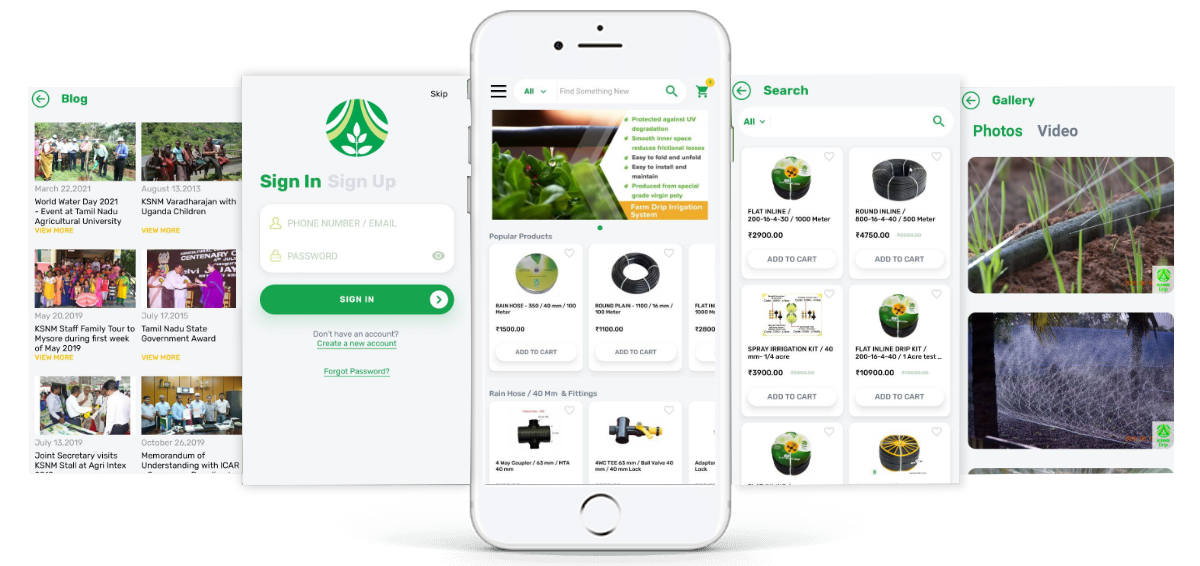
Introducing KSNM Drip’s Mobile App
Through our app’s convenience, start enjoying easy access, better experience and simple payment process. Download our App and begin your cart buying right away.


 Special offer!
 Track Order