Posted On: August 06, 2026
Posted By: KSNM DRIP
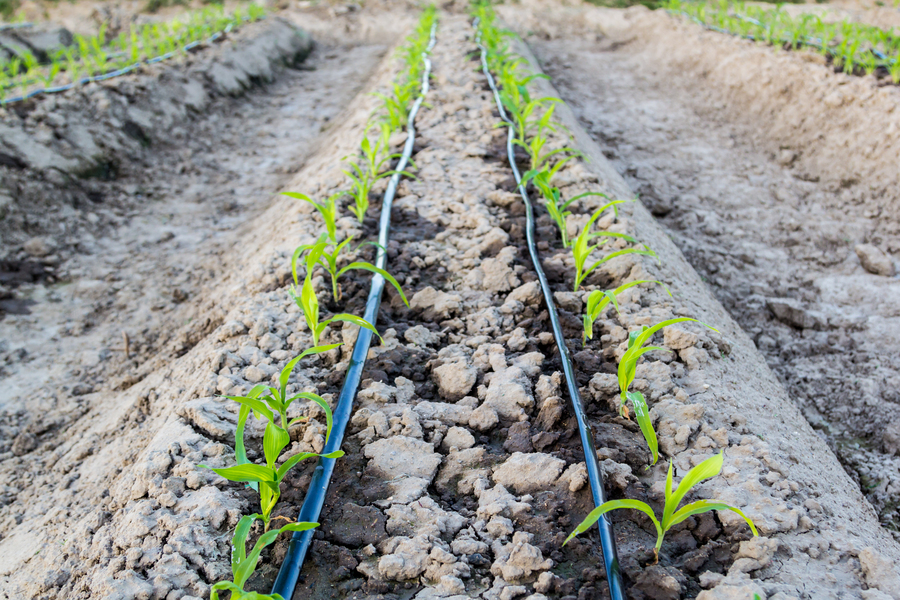
Tamil Nadu's 2026 water crisis is forcing farmers to rethink flood irrigation. This guide explains why drip irrigation is the most practical solution for conserving water, protecting yield, and staying profitable this season.
Tamil Nadu receives only 925 mm of average annual rainfall against a national average of 1,197 mm, yet flood irrigation still accounts for nearly 70% of the state's agricultural water use. That gap is no longer sustainable. Drip irrigation has emerged as the answer to a problem Tamil Nadu farmers are feeling directly this season.
In this guide, you will learn exactly why flood irrigation is losing ground in 2026, how drip irrigation changes the water equation for Tamil Nadu farms, and what practical steps help you make the switch before the next crop cycle begins.
Tamil Nadu's water crisis has made every irrigation decision a financial one. Reservoir levels across several districts have dropped to critical lows, with the Public Works Department reporting Mettur Dam storage falling below seasonal averages for the third consecutive year. Continuing with flood irrigation in this environment means burning through a shrinking resource.
Moreover, every litre of water pumped from a borewell costs electricity. Every hour a pump runs during flood irrigation, water soaks into the soil the root never reaches.
For a cotton farmer in Virudhunagar or a sugarcane grower in Thanjavur, that electricity bill is a monthly reminder of how much flood irrigation costs beyond the obvious.
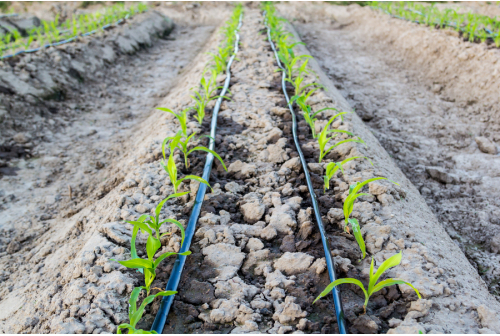
Drip irrigation directly solves both problems. It cuts water consumption by 40 to 50% according to research from Tamil Nadu Agricultural University, while maintaining or improving yield across major crops including sugarcane, banana, cotton, and vegetables.
Less water pumped means less electricity spent, and the crop still gets exactly what it needs. Look at our blog on “Top 10 Benefits of Drip Irrigation” to understand how drip irrigation is the most suitable form of irrigation for farmers in 2026.
Flood irrigation wastes between 40 and 60% of applied water through evaporation, runoff, and deep percolation before a crop root absorbs a single litre. That figure was always a problem. In 2026, with groundwater tables falling and electricity costs rising, it has become one Tamil Nadu farmers can no longer absorb season after season.
The soil also pays a price. Repeated flood irrigation compacts the topsoil over time, reducing aeration and making root penetration harder with each passing season.
Additionally, flood irrigation demands labor. Someone has to direct water across bunds, monitor flow, and manage runoff. Drip irrigation runs on a schedule. That labor saving alone makes a difference for farmers managing multiple acres without consistent field help.
Water scarcity changes the risk calculation because flood irrigation now competes directly with drinking water supply in many Tamil Nadu districts. State groundwater data shows that borewells across Coimbatore, Salem, and Tirunelveli districts are hitting depletion faster than recharge can compensate. A farmer depending on a borewell that runs dry mid-season faces total crop loss.
Drip irrigation lowers this risk in two ways. First, it extends the useful life of existing water sources by using significantly less per irrigation cycle. Second, it allows more precise scheduling, so water is applied only when the crop needs it rather than on a fixed flood schedule designed for soil saturation.
Farmers using KSNM Drip's irrigation systems have reported consistent water availability through the season on fields where neighbouring flood-irrigated plots ran dry by August.
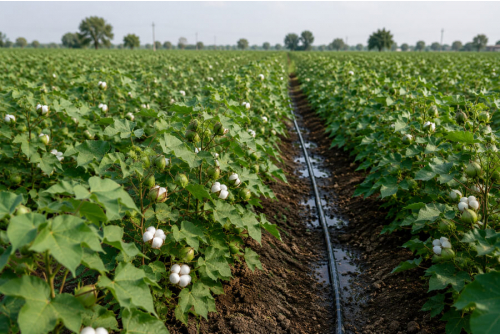
Sugarcane, banana, cotton, and drip-friendly vegetables like tomato and chilli respond particularly well to drip irrigation in Tamil Nadu's agro-climatic conditions. Sugarcane grown under drip irrigation in the Cauvery delta region has shown yield improvements of 20 to 30% over flood-irrigated equivalents, according to field trials conducted under the Tamil Nadu Micro Irrigation Scheme.
The reason is root-zone consistency. Sugarcane and banana both carry peak water demand periods where inconsistent irrigation directly causes quality loss, not just yield loss.
Drip irrigation, paired with fertigation through a venturi injector, delivers both water and nutrients in one controlled cycle during these critical windows. You can see how fertigation integrates into drip systems in KSNM's guide on reducing fertilizer waste through proper venturi installation, which covers this process specifically for Indian field conditions.
The Tamil Nadu government's Per Drop More Crop scheme under the Pradhan Mantri Krishi Sinchayee Yojana provides subsidies of up to 55% for small and marginal farmers and 45% for other farmers on drip irrigation system installation costs. The scheme covers laterals, emitters, filters, and mainline components, which represent the majority of a drip system's upfront investment.
Farmers can apply through the Tamil Nadu Horticulture Department or the Agriculture Department, depending on the crop category.
KSNM Drip works with farmers through this subsidy process, helping match system specifications to both crop requirements and scheme eligibility. For a practical breakdown of how drip system planning works at different farm sizes, explore KSNM's guide on drip irrigation planning for 5-acre and 10-acre farms, which covers layout, pump sizing, and zoning in detail.
Tamil Nadu's water crisis in 2026 is not a forecast. It's a present condition that flood irrigation is actively making it worse on farms across the state. Drip irrigation doesn't just conserve water. It protects yield consistency, reduces electricity costs, and keeps your borewell viable across an entire season rather than running it dry by August.
The shift from flood to drip irrigation is no longer something Tamil Nadu farmers can afford to defer. Government subsidies make the entry cost manageable. The water savings make the return predictable. Contact KSNM Drip for a field-specific assessment and take the first practical step toward a more water-efficient farm in 2026.





 Drum Seeder and Cono...
September 02, 2026
Drum Seeder and Cono...
September 02, 2026
 Jasmine and Marigold...
August 27, 2026
Jasmine and Marigold...
August 27, 2026
 Understanding KSNM's...
August 20, 2026
Understanding KSNM's...
August 20, 2026
 Water Crisis 2026: W...
August 06, 2026
Water Crisis 2026: W...
August 06, 2026
 Cotton Drip Irrigati...
August 13, 2026
Cotton Drip Irrigati...
August 13, 2026
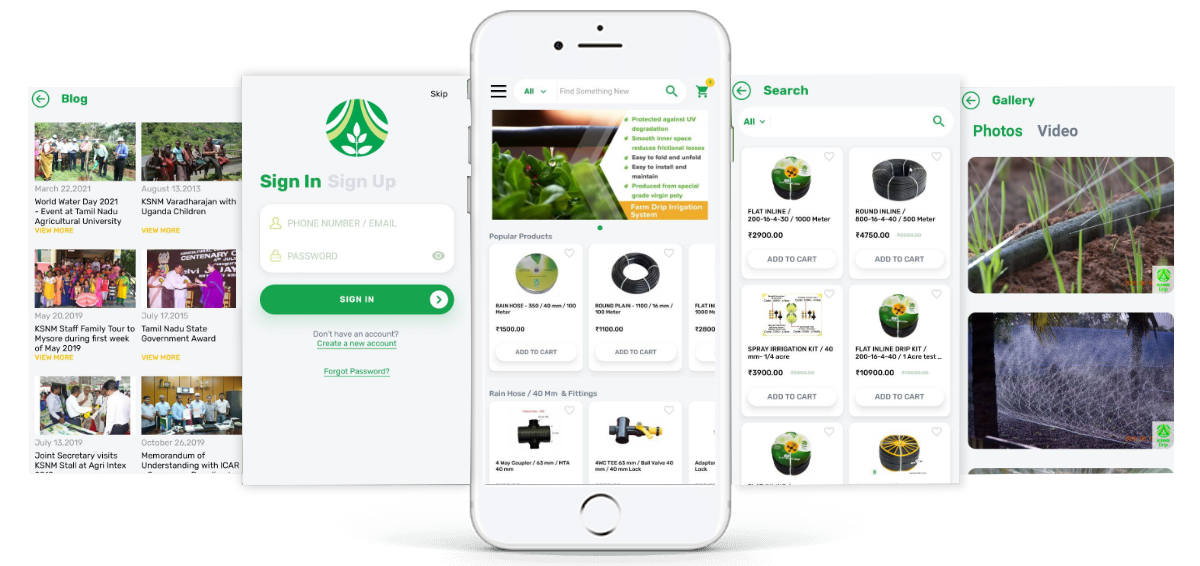
Introducing KSNM Drip’s Mobile App
Through our app’s convenience, start enjoying easy access, better experience and simple payment process. Download our App and begin your cart buying right away.


 Special offer!
 Track Order