Posted On: May 04, 2026
Posted By: KSNM DRIP
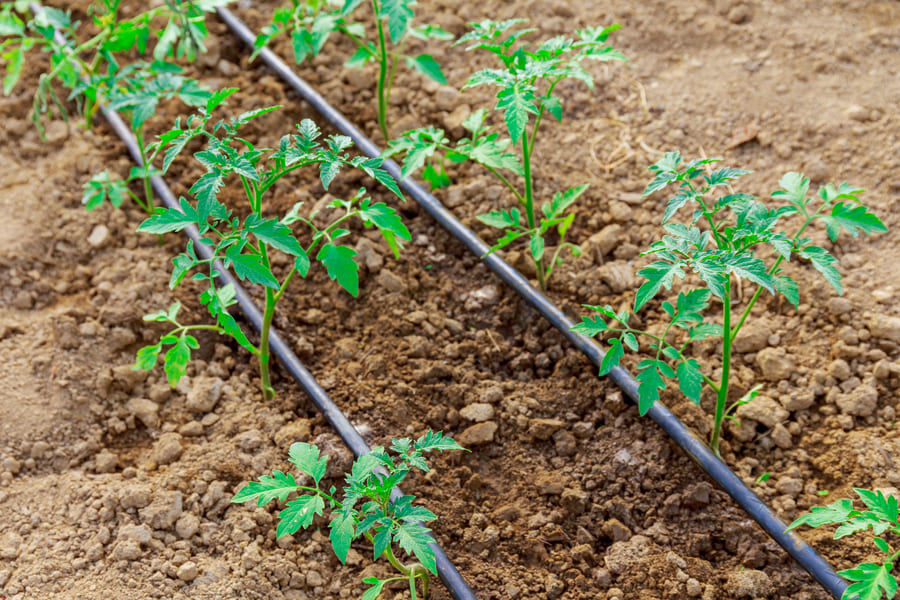
This blog covers the top 10 benefits of using drip irrigation in farming, from saving water and cutting costs to boosting yields and improving soil health, for every farmer ready to farm smarter in 2026.
What if one change to your farm could save water, cut costs, boost yield, and improve soil health all at the same time? That is exactly what drip irrigation does. Drip irrigation is a method of delivering water directly to the root zone of plants through a network of pipes, emitters, and laterals in small and precise amounts, minimising every form of water waste. According to MIT GEAR Lab, drip irrigation can reduce water consumption by 20 to 60% compared to conventional flood or furrow irrigation methods. In this blog, you will learn the top 10 benefits of drip irrigation in farming and why it is rapidly becoming the most trusted irrigation method for Indian farmers today.
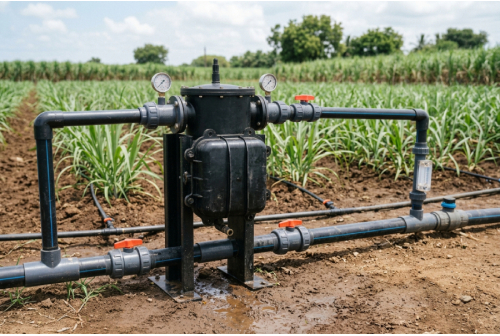
Drip irrigation works by placing emitters along lateral pipes positioned at or below the soil surface, releasing water slowly and steadily directly at the base of each crop. Unlike flood or sprinkler irrigation, where water is distributed broadly and often lost to evaporation or runoff, drip irrigation puts water exactly where the plant needs it most, which is at the root. Studies show that drip irrigation significantly decreases water consumption, reduces soil evaporation, increases the leaf area index, and promotes crop growth, thereby enhancing plant transpiration and overall yield. For Indian farmers battling water scarcity, rising input costs, and unpredictable monsoons, drip irrigation is not just a smart upgrade. It is a necessary one. Learn how KSNM's range of drip products can transform your farm at ksnmdrip.com.
Drip irrigation saves water by eliminating the three biggest sources of water loss in conventional irrigation, which are evaporation, surface runoff, and deep percolation below the root zone. In flood irrigation, a large volume of water moves across the soil surface and the majority of it never reaches a single root. Research shows that a well-designed drip irrigation system can reduce water use by up to 60%, which is critically important in regions facing drought conditions. Every litre of water delivered through a drip system is a litre that directly serves the crop. That precision is what sets drip irrigation apart from every other irrigation method available to farmers today.
Top 10 Benefits of Drip Irrigation in Farming
1. Dramatic Water Savings
Water is the most precious resource on any farm. Drip irrigation protects it better than any other method. By delivering water in slow, controlled quantities directly at the root zone, drip systems eliminate evaporation and runoff entirely. Farmers in dry regions of Tamil Nadu and Rajasthan report significant reductions in water bills after switching to drip systems. For a country where groundwater depletion is accelerating every season, this single benefit alone makes drip irrigation a national priority. Explore KSNM's full range of drip irrigation laterals and tapes designed for maximum water efficiency.
2. Higher Crop Yield and Better Quality Produce
When crops receive consistent, precise moisture at the root level, they grow stronger, faster, and more uniformly. Stress from inconsistent watering is one of the leading causes of poor yield quality in Indian farms. Drip irrigation removes that stress entirely. Research confirms that drip irrigation can significantly enhance the growth and physiological indices of crops and improve their overall quality. Farmers using drip systems consistently report better looking produce that commands stronger prices at the market, directly improving their income every season.
3. Reduced Fertiliser Costs Through Fertigation
Fertigation is one of the most powerful advantages drip irrigation offers. By injecting liquid fertilisers directly into the drip water supply, nutrients reach the root zone in calibrated and precise quantities, maximising plant uptake and minimising waste. Research has shown that farmers switching to drip irrigation can greatly reduce fertiliser costs while achieving equal or better crop nutrition results. Manual fertiliser broadcasting, which scatters nutrients unevenly across the soil surface, simply cannot match the precision that drip fertigation delivers. Learn more about how KSNM supports fertigation through drip systems on KSNM's fertigation resource blog.
4. Lower Weed Growth and Reduced Weeding Labour
Weeds thrive in wet soil. Flood irrigation keeps the entire field surface moist, giving weeds exactly the conditions they need to germinate and compete with crops for nutrients. Drip irrigation waters only the root zone of each plant, leaving the soil between rows dry and inhospitable for weed growth. Fewer weeds means less competition, less herbicide use, and less manual weeding labour every single season. For small farmers managing their farms with limited labour, this benefit translates into real savings in both time and money every growing cycle.
5. Improved Soil Health Over Time
Repeated flood irrigation compacts soil, erodes topsoil, and disrupts the natural microbial communities that keep farmland fertile. Drip irrigation applies water gently and gradually, preserving soil structure and maintaining the organic matter levels that healthy crops depend on. Drip systems minimise soil erosion and prevent salinization, supporting soil health and biodiversity preservation across the farm. Farmers who switch to drip irrigation often notice measurable improvements in soil texture and fertility within just a few growing seasons, building a healthier and more productive farm for the long term.
6. Reduced Disease and Pest Pressure
Wet foliage is a breeding ground for fungal disease. When sprinkler or flood irrigation keeps leaves and stems constantly moist, fungal infections spread quickly and can wipe out entire crop sections in days. Drip irrigation keeps water at the root level and leaves the crop canopy completely dry. The targeted approach of drip irrigation also reduces disease pressure, as wet foliage is limited and over-saturation is avoided throughout the growing cycle. This means less fungicide use, healthier plants, and lower input costs across every season of farming.
7. Works Efficiently on Any Farm Size
One of the most practical benefits of drip irrigation is how well it scales. A small kitchen garden of half an acre benefits from drip irrigation just as much as a commercial farm spanning hundreds of acres. Systems can be as simple as a basic drip kit installed in an afternoon or as sophisticated as a fully automated sensor-driven network. KSNM has specifically designed its range of drip irrigation products to be affordable and accessible for small and marginal farmers across India. Check out the complete range of KSNM drip kits and systems built for every farm size and every budget.
8. Energy Savings Through Low-Pressure Operation
Drip irrigation systems operate at significantly lower pressure than sprinkler systems, which means the pumps required to run them consume far less energy. For farmers managing electricity costs or running solar-powered pumps, this is a meaningful advantage that shows up in reduced operating expenses every single month. Lower pressure also means less wear on pipes, fittings, and emitters, extending the lifespan of the entire system and reducing maintenance costs over time. The combination of water savings and energy savings makes drip irrigation one of the most cost-effective long-term investments available in modern agriculture.
9. Suitable for All Crop Types and Growing Conditions
Drip irrigation is versatile enough to support virtually every crop type grown across India. From sugarcane, cotton, and banana plantations to tomatoes, onions, and chillies, drip systems deliver consistent results across diverse growing conditions and soil types. Drip irrigation performs equally well on flat plains, sloped land, and even greenhouse environments. Whether you are growing high-value cash crops or staple food crops, drip irrigation adapts to your specific needs. Read more about how to protect your crops through smart irrigation on KSNM's crop care resource blog.
10. Long-Term Return on Investment
Drip irrigation requires an upfront investment. But the long-term returns make it one of the most financially rewarding decisions a farmer can make. Research on maize cultivation shows that drip irrigation increased net return and the benefit-to-cost ratio by over 60% compared to conventional irrigation methods. When you factor in water savings, fertiliser savings, labour savings, reduced disease losses, and improved yield quality together, the system pays for itself within just a few growing seasons. For Indian farmers looking to build financially resilient farms for the long term, drip irrigation is the single most impactful investment available today.
The shift from flood to drip irrigation is accelerating across India for one simple reason. Flood irrigation is no longer sustainable. Groundwater levels are falling. Water costs are rising. Labour is becoming harder to find and more expensive to hire. Drip irrigation solves all three of those problems at once. It uses less water, requires less labour, and delivers better crop results season after season. Farmers who made the switch five years ago are already seeing compounding returns on their investment while those still using flood irrigation are watching their input costs climb and their yields stagnate.
The benefits of drip irrigation in farming go far beyond saving water. From improving crop yield and quality to reducing fertiliser costs, suppressing weeds, protecting soil health, and delivering outstanding long-term financial returns, drip irrigation reshapes what farming can achieve at every scale. India's farmers face mounting pressure from water scarcity, climate uncertainty, and rising production costs. Drip irrigation addresses all three with a practical, proven, and affordable solution that has already transformed millions of farms across the country. Whether you are farming one acre or one hundred, the right drip irrigation system is waiting for you. Start your journey toward smarter farming today by exploring KSNM's complete range of drip irrigation solutions at ksnmdrip.com.





 How to Choose Betwee...
October 08, 2026
How to Choose Betwee...
October 08, 2026
 Two Decades of KSNM ...
September 02, 2026
Two Decades of KSNM ...
September 02, 2026
 Tomato Drip Irrigati...
September 02, 2026
Tomato Drip Irrigati...
September 02, 2026
 Filters in Drip Irri...
September 02, 2026
Filters in Drip Irri...
September 02, 2026
 Drum Seeder and Cono...
September 02, 2026
Drum Seeder and Cono...
September 02, 2026
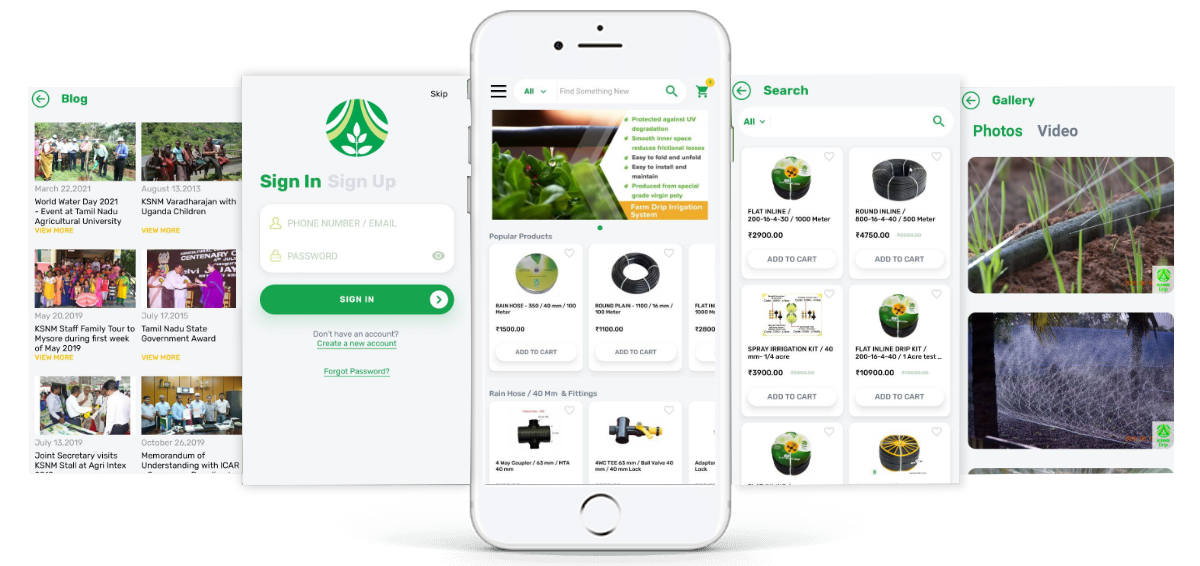
Introducing KSNM Drip’s Mobile App
Through our app’s convenience, start enjoying easy access, better experience and simple payment process. Download our App and begin your cart buying right away.


 Special offer!
 Track Order