Posted On: September 02, 2026
Posted By: KSNM DRIP
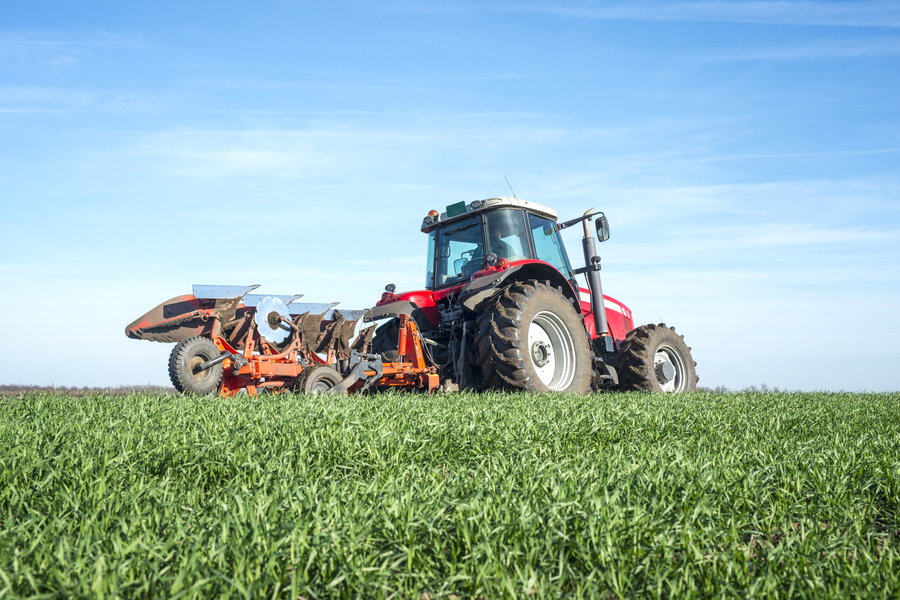
A Drum Seeder and Cono Weeder are two low-cost mechanical tools that reduce labor and improve precision in paddy farming. This guide explains how each tool works, which farmers benefit most, and how they fit into a complete small farm setup alongside drip irrigation.
What if two simple mechanical tools could cut your paddy farming labor by nearly half? Small farmers across Tamil Nadu and South India spend a significant portion of their seasonal budget on manual sowing and weeding labor, two tasks that repeat every cycle without fail. A drum seeder handles direct sowing in rows with consistent spacing. A cono weeder removes weeds between those rows without chemicals or excessive manual effort.
Together, these tools change how a small farmer manages time, labor cost, and crop uniformity from sowing to harvest. They don't require electricity, complex maintenance, or technical expertise to operate. The truth is when you pair precise sowing and clean weeding with efficient drip irrigation, the combined effect on yield and input cost is difficult to ignore.
A drum seeder is a manually pushed implement with a rotating drum that drops seeds at uniform intervals directly into prepared soil. A cono weeder is a cone-shaped rotary tool that loosens soil and uproots weeds between crop rows when pushed and pulled through the field. Both tools are designed specifically for the row-based planting patterns common in paddy and vegetable cultivation. Our blog on the role of cono weeders in organic farming details on the efficient weed management, reduced labour costs, and healthier crop growth.
Small farmers need these tools because the alternative is manual labor at every sowing and weeding cycle. On a 2-acre paddy plot, manual transplanting and hand weeding can consume 30 to 40 labor days per season. A drum seeder covers the same area in a fraction of that time, and the cono weeder significantly reduces the weeding rounds needed afterward.
The economics are straightforward. Reduced labor days mean lower seasonal costs, and consistent row spacing from drum seeding means the cono weeder can pass through cleanly without damaging crop roots. The two tools are designed to work together, and their combined effect on labor efficiency is greater than either delivers alone.
A drum seeder improves sowing accuracy by dropping seeds at fixed intervals in straight rows, eliminating the uneven plant spacing that manual broadcasting or hand dibbling produces. Uniform spacing gives every plant equal access to light, water, and nutrients, which directly improves stand uniformity and reduces competition between plants at the root zone.
According to research from the Directorate of Rice Research under the Indian Council of Agricultural Research, direct seeding using a drum seeder produces comparable yield to manual transplanting while reducing labor input by up to 60% on comparable plot sizes. That labor saving compounds across multiple seasons, particularly for small farmers managing limited daily workforce.
Consider a paddy farmer in Thanjavur who shifted from manual transplanting to drum seeder sowing on his 3-acre plot. His per-acre labor cost on sowing dropped significantly, and his row spacing became consistent enough that his subsequent weeding cycles went faster because the cono weeder could pass through without obstruction. The change in sowing method improved everything that followed it.
The cono weeder works by rotating conical blades through the soil surface between crop rows, cutting and burying weeds at the root while aerating the topsoil simultaneously. It works most effectively in wet paddy fields where the soil surface is soft enough for the cones to penetrate and turn without excessive resistance.
Weed pressure in paddy cultivation is one of the biggest yield reducers small farmers face. Research published by Tamil Nadu Agricultural University confirms that uncontrolled weed growth in direct-seeded paddy can reduce yield by 30 to 50% compared to weed-managed plots, depending on weed density and timing of control. The cono weeder addresses this without the cost or residue concerns of chemical herbicides.
The tool also improves soil aeration with each pass. As the conical blades rotate through the topsoil, they break up surface compaction that accumulates between irrigation cycles. Better aeration means roots penetrate more easily and access water and nutrients more efficiently, which matters particularly when drip irrigation is delivering precise moisture at the root zone. KSNM's drip irrigation product range covers systems suited to the same row-based layouts that drum seeding creates, making the transition to precision water delivery straightforward once uniform rows are established.
Drum seeding creates the uniform row spacing that makes drip irrigation layout planning simple and effective. When rows are consistent and straight, laterals run parallel without gaps, every emitter sits close to a plant root, and water distribution stays even across the full field. Irregular plant spacing from manual sowing often means some emitters sit between plants rather than beside them, reducing irrigation efficiency.
The cono weeder keeps those rows clean between irrigation cycles, preventing weeds from competing with crops for the moisture drip irrigation delivers. A well-weeded field with consistent drip irrigation wastes almost nothing, water reaches intended roots, and the crop grows without competition from weeds drawing moisture away from the intended plant.
For small farmers setting up drip irrigation alongside these tools, starting with a properly planned layout makes all three work together efficiently. KSNM's guide on irrigation planning for 5-acre and 10-acre farms walks through layout decisions that suit drum-seeded row configurations on different farm sizes.
A drum seeder and cono weeder aren't complicated tools. They're practical, affordable solutions to two of the most labor-intensive tasks in small farm paddy cultivation, sowing and weeding, and they deliver measurable improvements in crop uniformity, labor cost, and seasonal efficiency.
Pair them with a well-designed drip irrigation system and the effect compounds. Uniform rows, clean fields, and precise water delivery create the conditions where small farms consistently outperform their acreage. Ready to upgrade your farm setup this season? Contact KSNM Drip for guidance matched to your crop and land.





 How to Choose Betwee...
October 08, 2026
How to Choose Betwee...
October 08, 2026
 Two Decades of KSNM ...
September 02, 2026
Two Decades of KSNM ...
September 02, 2026
 Tomato Drip Irrigati...
September 02, 2026
Tomato Drip Irrigati...
September 02, 2026
 Filters in Drip Irri...
September 02, 2026
Filters in Drip Irri...
September 02, 2026
 Drum Seeder and Cono...
September 02, 2026
Drum Seeder and Cono...
September 02, 2026
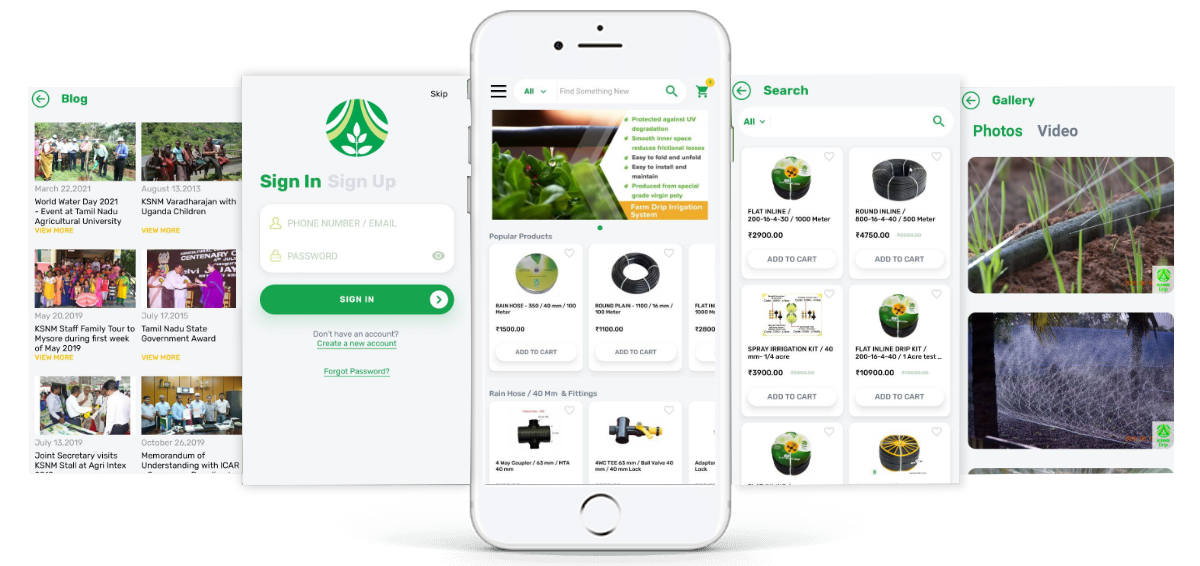
Introducing KSNM Drip’s Mobile App
Through our app’s convenience, start enjoying easy access, better experience and simple payment process. Download our App and begin your cart buying right away.


 Special offer!
 Track Order