Posted On: June 25, 2026
Posted By: KSNM DRIP
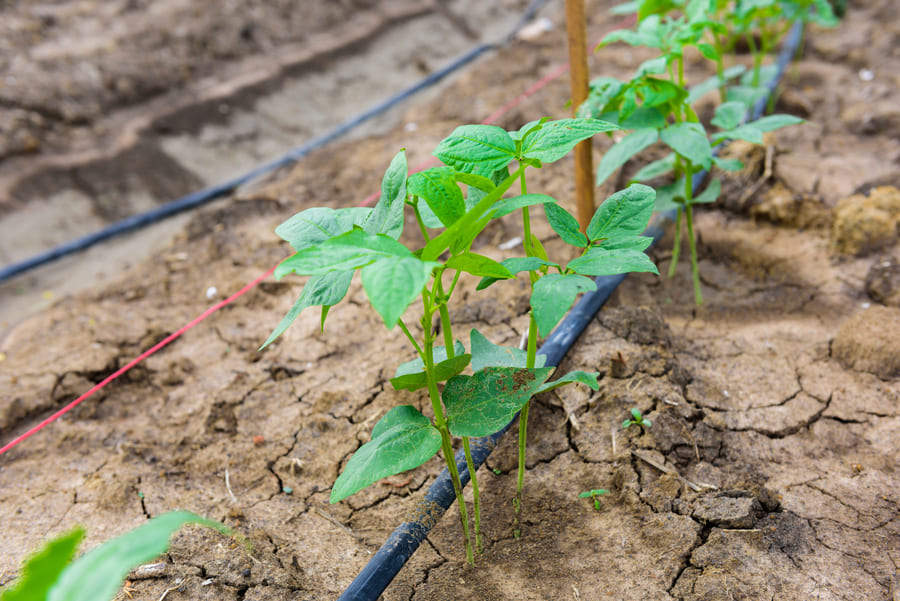
This guide compares flat inline drip and round inline drip irrigation systems across crop types, soil conditions, installation ease, and cost, helping Indian farmers choose the right lateral for maximum water efficiency and crop yield.
Are you using the wrong drip lateral for your crop? Nearly 70% of India's agricultural water gets lost through inefficient irrigation methods, according to the Ministry of Jal Shakti. That's water your crops desperately needed. Drip irrigation changed that story, but here's where most farmers get stuck: choosing between flat inline drip and round inline drip laterals.
Both deliver water directly to the root zone. Both cut water waste significantly. But they behave very differently in the field. Pick the wrong one and you'll spend more on replacements, deal with clogging problems, or watch your yield stagnate despite doing everything else right.
In this guide, you'll learn exactly how each system works, which crops they suit best, and how to make the right call for your land.
Most farmers pick between round inline and flat inline drip lateral based on cost. That's understandable but it's only half the picture. The real decision comes down to your crop type, soil, and how long the system needs to last.
Flat inline drip lateral is a flattened tube with emitters pre-inserted at fixed intervals. Water pressure inflates it during irrigation; when the supply stops, it collapses flat again. That collapsing design makes it lightweight, easy to roll up, and simple to store between seasons. It works efficiently at lower operating pressures and typically costs less upfront, which adds up quickly when you're replanting every cycle. Explore KSNM's flat inline drip lateral options to see emitter spacings available for different crops.
Round inline drip lateral holds its cylindrical shape at all times, whether water is flowing or not. That rigidity means it handles higher pressure reliably, resists soil compression when buried underground, and manages slight variations in water quality more gracefully. Research from agricultural universities in Tamil Nadu confirms that subsurface round inline systems in perennial orchards show significantly lower clogging rates compared to surface-laid flat systems under similar conditions. See KSNM's round inline drip lateral range built for exactly this kind of multi-year use.
Soil type plays a big role in this decision, and it's one most farmers overlook.
Sandy soils drain fast. Water moves downward quickly and spreads less laterally. For sandy conditions, closer emitter spacing on either system helps, but flat inline's surface placement and shorter-duration operation patterns suit seasonal sandy-soil crops well.
Heavy clay soils hold water longer and spread it more widely. Round inline laterals buried slightly below the surface work exceptionally well here because they release water slowly into the soil profile, letting clay soils absorb at their natural rate without surface waterlogging.
Loamy soils are the most forgiving and work well with both systems. Your crop type becomes the deciding factor there.
If you've been struggling with waterlogging or uneven crop growth, the problem might not be your watering schedule. It could be the wrong lateral for your soil. KSNM's guide on drip irrigation problems and solutions breaks down how to diagnose and fix these field-level issues.
Flat inline drip wins on installation ease. It's lighter, rolls out quickly along crop rows, and needs minimal fittings to set up. Seasonal farmers who reinstall their system every few months appreciate how fast the process goes.
Round inline drip takes more effort to install, especially when buried. You'll need a small trenching tool or a specially designed installation blade. But once it's in the ground, you barely touch it for years.
Maintenance tells a similar story. Flat inline systems need more frequent flushing because the collapse-inflate cycle can trap sediment near emitters over time. Round inline systems, especially when paired with a good filter and Venturi fertilizer injector for fertigation, run smoothly with standard periodic maintenance.
Choosing between flat inline drip and round inline drip isn't about which is superior overall. It's about matching the right system to your specific crop, soil, and farming timeline. Flat inline drip thrives with seasonal vegetables and short-duration crops. Round inline drip stands strong in orchards and long-term plantations that demand years of reliable performance.
Ready to get started? Explore KSNM's complete drip irrigation product range or reach out to get guidance matched to your exact field conditions.





 Drum Seeder and Cono...
September 02, 2026
Drum Seeder and Cono...
September 02, 2026
 Jasmine and Marigold...
August 27, 2026
Jasmine and Marigold...
August 27, 2026
 Understanding KSNM's...
August 20, 2026
Understanding KSNM's...
August 20, 2026
 Water Crisis 2026: W...
August 06, 2026
Water Crisis 2026: W...
August 06, 2026
 Cotton Drip Irrigati...
August 13, 2026
Cotton Drip Irrigati...
August 13, 2026

Introducing KSNM Drip’s Mobile App
Through our app’s convenience, start enjoying easy access, better experience and simple payment process. Download our App and begin your cart buying right away.


 Special offer!
 Track Order