Posted On: July 07, 2026
Posted By: KSNM DRIP
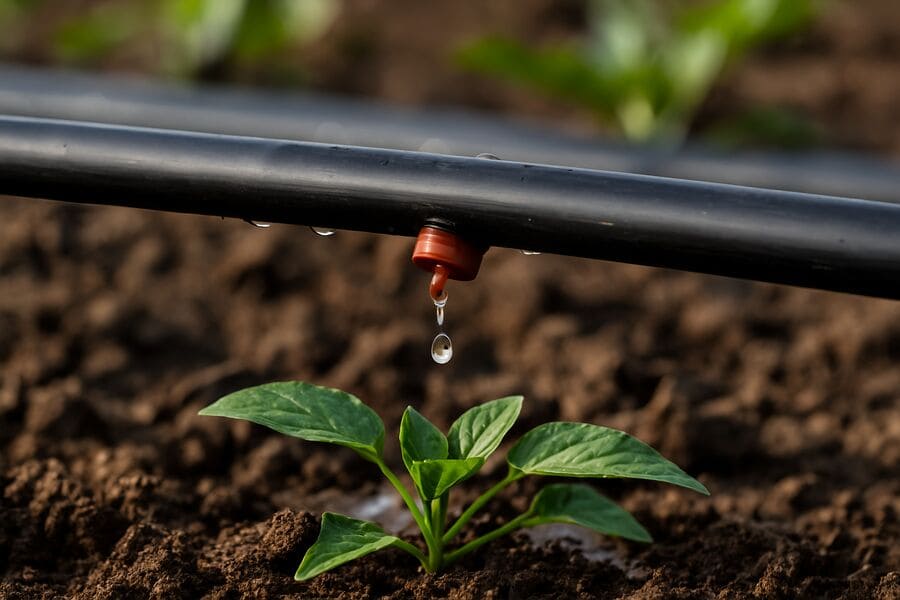
Dripper clogging happens when sediment, chemical deposits, or biological growth block emitters in a drip irrigation system. This guide explains the real causes behind clogging and the prevention strategies that keep water flowing evenly across every row.
Did you know a single clogged dripper can quietly cost you yield for weeks before you even notice? Drip irrigation delivers water with incredible precision, but that same precision makes it vulnerable to blockages most farmers never see coming. A partially clogged emitter doesn't stop working entirely. It just delivers less water, and the plant underperforms long before any visible sign shows up in the field.
In this guide, you'll learn exactly what causes dripper clogging, how to spot it early, and which prevention strategies actually work season after season.
Dripper clogging happens when particles, chemical deposits, or organic matter build up inside the emitter and restrict water flow. Most farmers assume it's just dirty water, but the real picture is more layered than that.
Physical clogging comes from sand, silt, or organic debris that slips past inadequate filtration. Borewell water carries fine sand particles, while open canal water often brings in plant matter and silt. Chemical clogging happens when minerals like calcium and iron in your water react and form deposits inside the emitter over time, especially in regions with hard water.
Biological clogging is the one farmers notice last. Algae and bacterial slime grow inside laterals exposed to warmth and stagnant water, gradually narrowing the emitter opening until flow drops to almost nothing. Consider a grape grower in Theni who noticed uneven vine growth across one section of his field. He assumed it was a soil issue, but a closer check revealed algae buildup inside the laterals from water sitting too long between irrigation cycles.
Filtration removes sediment before it ever reaches the emitter, and it remains your first and strongest line of defense. A screen filter works well for borewell water with fine sand, while a disc filter handles a wider range of particle sizes commonly found in canal or open water sources.
Matching filter capacity to your actual flow rate matters more than most farmers realize. A filter too small for your system's flow becomes a bottleneck itself, while one too large lets fine particles slip through unfiltered. KSNM's filter range covers screen and disc options suited to different water sources, including borewell, canal, and open well water.
Cleaning your filter regularly, ideally every one to two weeks during active irrigation, prevents accumulated debris from eventually pushing through into the laterals. Skipping this routine check is one of the fastest ways clogging sneaks up on an otherwise well-designed system. KSNM Drip also provides details on how to choose the right drip irrigation filter for your farm.
Chemical clogging needs a different approach than filtration alone. Acid treatment, using dilute hydrochloric or nitric acid flushed through the system periodically, dissolves mineral deposits before they harden inside the emitter. This works especially well in areas with hard groundwater high in calcium or iron content.
According to guidelines published by the Indian Council of Agricultural Research, periodic acid flushing combined with chlorine treatment for biological growth can reduce emitter clogging incidents significantly compared to systems relying on filtration alone. Chlorination handles the biological side, killing algae and bacterial slime before it spreads through the lateral network.
Further, what changed when one banana farmer in Tiruppur started flushing his laterals monthly with a mild chlorine solution? Clogging incidents on his five-acre plot dropped noticeably within one season. His water distribution became visibly more even across rows that previously struggled. Small, consistent maintenance habits like this prevent the slow, invisible yield loss that clogging causes.
Catching clogging early means checking emitter output regularly, not waiting for visible plant stress. Walk your field periodically and check if water drips evenly across several emitters per row. Uneven drip patterns, weak flow, or dry patches near specific plants are early warning signs worth investigating immediately.
Keeping a simple maintenance log, noting filter cleaning dates and flush cycles, helps you spot patterns before they become expensive problems. If you're already seeing inconsistent results across your field, KSNM's guide on drip irrigation problems and solutions walks through diagnosis steps for several common issues beyond clogging alone.
Dripper clogging rarely announces itself loudly. It builds quietly through sediment, chemical deposits, or biological growth until your yield quietly suffers in patches across the field. Strong filtration, periodic acid and chlorine flushing, and regular field checks keep your drip irrigation system running the way it was designed to.
Start with one habit this season, whether that's cleaning your filter on schedule or walking your rows to check emitter flow. Need help picking the right filter for your water source? Contact KSNM Drip and get expert guidance suited to your field.





 Drum Seeder and Cono...
September 02, 2026
Drum Seeder and Cono...
September 02, 2026
 Jasmine and Marigold...
August 27, 2026
Jasmine and Marigold...
August 27, 2026
 Understanding KSNM's...
August 20, 2026
Understanding KSNM's...
August 20, 2026
 Water Crisis 2026: W...
August 06, 2026
Water Crisis 2026: W...
August 06, 2026
 Cotton Drip Irrigati...
August 13, 2026
Cotton Drip Irrigati...
August 13, 2026
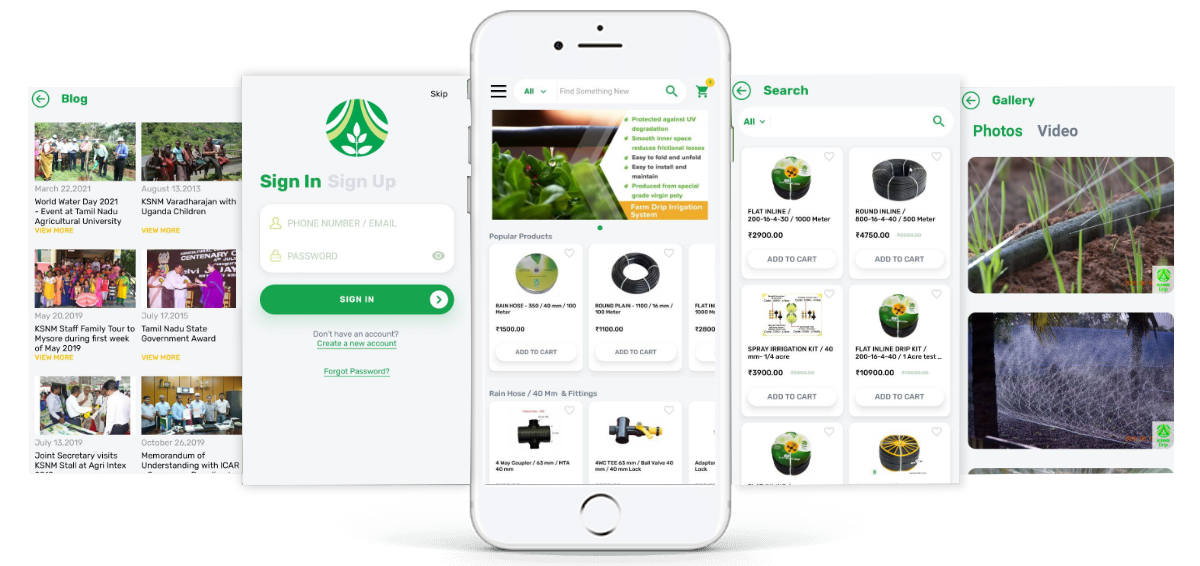
Introducing KSNM Drip’s Mobile App
Through our app’s convenience, start enjoying easy access, better experience and simple payment process. Download our App and begin your cart buying right away.


 Special offer!
 Track Order