Posted On: May 13, 2026
Posted By: KSNM DRIP
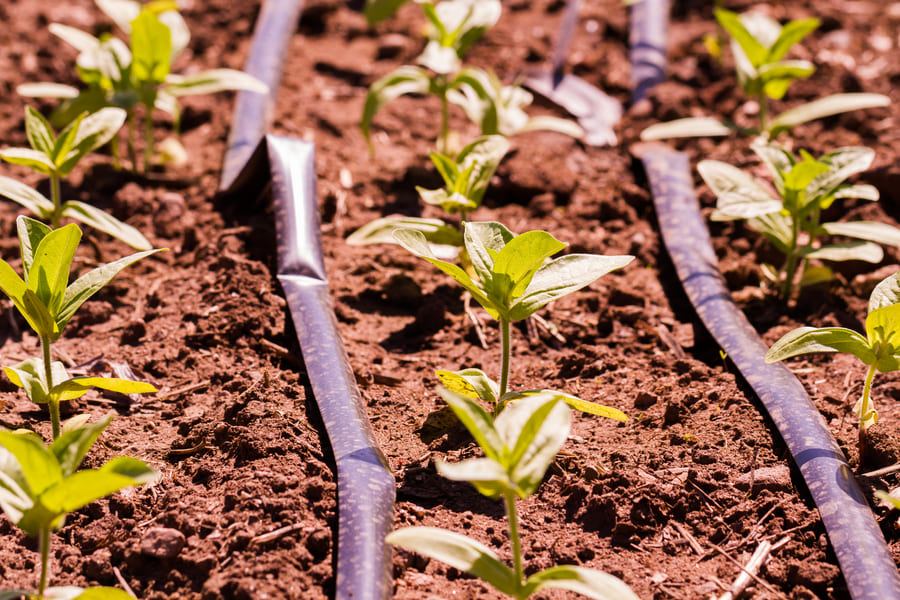
This blog covers the most common drip irrigation problems Indian farmers face, from clogged emitters and pressure issues to uneven water distribution, and offers clear, practical fixes to keep your system running at its best.
Your drip irrigation system is running. The pump is on. The water is flowing. But your crops are struggling anyway. Sound familiar? Many farmers across India invest in drip irrigation expecting perfect results, only to find that small, overlooked problems quietly reduce efficiency, waste water, and damage crops season after season. The good news is that most drip irrigation problems are easy to fix once you know what to look for. In this blog, you will learn the most common drip irrigation problems, why they happen, and exactly how to fix them before they cost you your harvest.
Drip irrigation systems develop problems because of irregular maintenance, poor water quality, and incorrect installation. A drip irrigation system is a precision tool. Like any precision tool, it performs at its best only when it is properly set up, regularly cleaned, and consistently monitored. Agriculture experts note that solid materials entering drip hoses are one of the leading causes of emitter plugging and system failure in irrigation setups worldwide. The moment maintenance is skipped or water quality is ignored, problems begin to build up quietly underneath the surface, often going unnoticed until crop damage is already visible. Understanding the root causes of these problems is the first step to preventing them permanently.
Clogged emitters are the single most common drip irrigation problem farmers report, and they are also one of the most damaging. When emitters block up, water stops reaching the root zone of the plant. The crop shows signs of drought stress even though the system appears to be running normally. This confuses many farmers into overwatering other parts of the field, which creates a new set of problems. Clogging is caused by sand, dirt, mineral deposits, algae, and organic matter entering the system through the water source. Industry solutions confirm that calcium and mineral build-up in drip lines and emitters is one of the most persistent causes of reduced flow and complete blockage in irrigation systems. Ksnmdrip
The fix starts at the filter. Choosing the right filter for your water quality is non-negotiable. Sand media filters work best when the water source contains heavy sediment or organic matter. Disc filters and screen filters are suitable for cleaner water sources. Beyond choosing the right filter, regular flushing of the drip lines is essential. Experts recommend flushing drip hoses monthly during the growing season, allowing water to run through at a flow rate of 1 to 2 gallons per minute for 5 to 10 minutes per line. KSNM's range of screen, disc, and hydro cyclone filters is specifically designed to prevent clogging before it starts. You can explore the full filter range on KSNM's product page at ksnmdrip.com. Ksnm
Incorrect water pressure is a problem that affects the entire system at once rather than just individual emitters. When pressure is too high, emitters release water faster than designed, creating uneven distribution and wasting water at one end of the field while the other end stays dry. When pressure is too low, water does not reach all emitters equally, leaving large sections of the field under-irrigated. Agriculture irrigation specialists point out that high pressure variability across an irrigation set leads to water and nutrients not being applied evenly over the field, directly affecting both yield and input efficiency.
The solution is to install pressure regulators at the inlet and at key points across the lateral lines. Regular pressure checks using a simple field pressure gauge help catch imbalances early. For farms with significant elevation changes, pressure compensating emitters ensure that every plant receives the same water volume regardless of where it sits on the slope. You can learn more about managing water pressure effectively through KSNM's drip irrigation setup guide.
Yes, and it happens more often than most farmers expect. Irrigation experts note that the hardest adjustment when switching to drip irrigation is letting go of the expectation of seeing a large wet spot on the ground, since drip irrigation is designed to deliver water precisely to the root zone in much smaller quantities than traditional methods. Farmers accustomed to flood irrigation often run drip systems for far longer than necessary, saturating the root zone and pushing water deep below where crops can use it. Overwatering through drip irrigation leads to root rot, nutrient leaching, and soil compaction over time. The fix is simple but requires discipline. Run your drip system based on crop water requirements and soil moisture levels, not on visual expectations of surface wetness. Investing in a basic soil moisture sensor removes the guesswork entirely and pays for itself within a single season. Rain-pipe
Uneven water distribution is usually the result of a combination of factors working together, including clogged emitters, pressure imbalances, poorly designed lateral layouts, and pipe damage. A field that looks uniformly green on the surface may have significant dry patches developing underground that only show up as crop stress weeks later. Checking emitter output regularly by placing a small container under each emitter and measuring the flow helps identify inconsistencies early. Replacing damaged laterals promptly and keeping filters clean are the two most effective habits for maintaining uniform distribution. Explore KSNM's full range of drip lateral options to find the right configuration for your field layout and crop type.
Poor water quality is the silent enemy of every drip irrigation system. Hard water with high mineral content leaves calcium and magnesium deposits inside emitters and pipes that build up gradually and reduce flow over months of use. Water with high biological content, such as algae or bacteria, forms biofilms inside the lines that trap sediment and block flow completely. The long-term solution involves both filtration at the inlet and periodic chemical flushing of the entire system. Acidic treatments using organic acids are widely recommended by irrigation agronomists for dissolving mineral build-up inside lines without damaging the pipes. Regular water quality testing at the source gives farmers the information they need to set up the right filtration and maintenance schedule from the start. Learn how KSNM's venturi injectors and filter systems help manage water quality effectively on KSNM's complete product guide.
Drip irrigation is one of the most powerful and efficient tools available to Indian farmers today. But like any system, it performs at its best only when it is properly maintained and correctly operated. Clogged emitters, pressure problems, overwatering, uneven distribution, and poor water quality are all common drip irrigation problems with straightforward, practical solutions. The farmers who get the most from their drip irrigation systems are not the ones with the most expensive setups. They are the ones who understand their system, maintain it consistently, and fix small problems before they grow into big ones. Start with the right equipment, build the right habits, and your drip irrigation system will reward you with better yields and lower costs every single season. Have questions about your drip irrigation setup? Reach out to the KSNM team at ksnmdrip.com and get the right guidance for your farm today.





 How to Choose Betwee...
October 08, 2026
How to Choose Betwee...
October 08, 2026
 Two Decades of KSNM ...
September 02, 2026
Two Decades of KSNM ...
September 02, 2026
 Tomato Drip Irrigati...
September 02, 2026
Tomato Drip Irrigati...
September 02, 2026
 Filters in Drip Irri...
September 02, 2026
Filters in Drip Irri...
September 02, 2026
 Drum Seeder and Cono...
September 02, 2026
Drum Seeder and Cono...
September 02, 2026
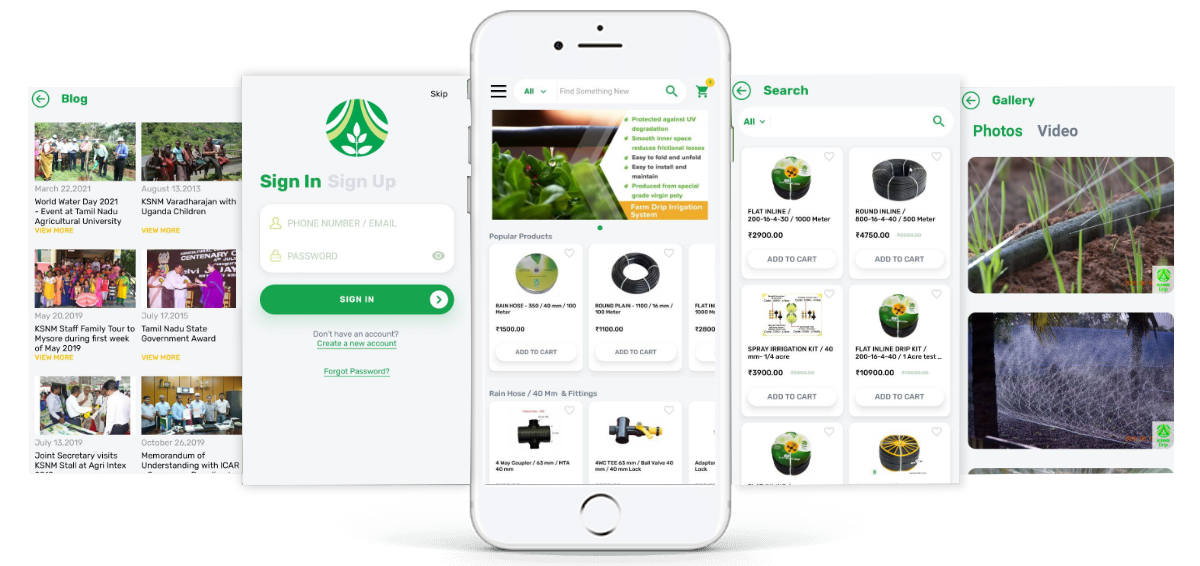
Introducing KSNM Drip’s Mobile App
Through our app’s convenience, start enjoying easy access, better experience and simple payment process. Download our App and begin your cart buying right away.


 Special offer!
 Track Order