Posted On: January 13, 2026
Posted By: KSNM DRIP
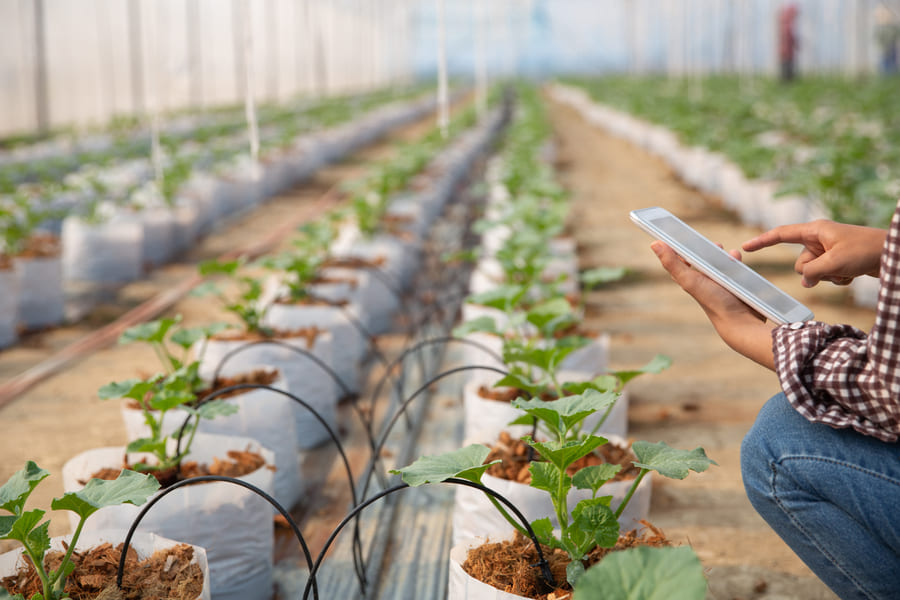
Precision irrigation helps farmers use water more efficiently by delivering it exactly where crops need it. This blog explains what precision irrigation is, how drip irrigation works, and why it’s ideal for beginners looking to improve yield, reduce water wastage, and farm sustainably.
Introduction
Precision irrigation is no longer a concept reserved for large, high-tech farms, it has become a practical, results-driven solution for beginners who want to farm smarter from the very first season. At the centre of this approach is drip irrigation, a method that applies water slowly and directly to plant roots instead of flooding entire fields. For farmers facing rising water scarcity, unpredictable climate patterns, and increasing input costs, understanding precision irrigation is a critical first step toward sustainable agriculture. This blog explains what precision irrigation really means, how it works on the ground, and why drip-based systems are becoming the preferred choice for new-age farming in India.
At its core, precision irrigation means supplying water based on actual crop requirements rather than fixed routines. Instead of irrigating a whole field evenly, regardless of soil variation, crop stage, or weather, precision systems apply water exactly where it is needed and in the quantity required. Among the different methods available, drip irrigation is the most accessible for beginners because it combines simplicity with measurable results.
In traditional flood irrigation, a large portion of water is lost through evaporation, runoff, and deep percolation. Precision irrigation solves this inefficiency by keeping moisture concentrated in the root zone, where plants can absorb it effectively. This focused approach improves water-use efficiency while also creating a healthier growing environment for crops.
For farmers starting out, irrigation decisions often determine the success or failure of a crop. Precision irrigation offers beginners clarity and control at a time when both are most needed. By adopting drip irrigation, new farmers can reduce dependency on guesswork and manual labour while gaining consistency across their fields.
What makes precision irrigation particularly appealing is its ability to deliver predictable outcomes. Crops receive steady moisture throughout the growth cycle, which reduces stress and supports uniform development. Over time, this consistency translates into improved yield quality and better resource management, benefits that are especially valuable for first-time adopters navigating farming challenges.
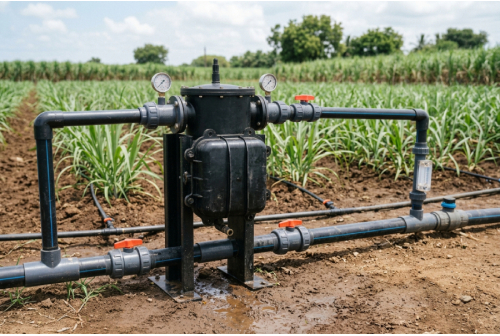
Understanding how precision irrigation functions on the field helps demystify the system for beginners. Water first passes through a filtration unit to remove particles that could clog the system. From there, it flows through mainlines and lateral pipes laid out according to the crop pattern. Finally, emitters release water at a controlled rate directly near the plant roots.
In drip irrigation, each emitter is designed to deliver a consistent discharge, ensuring that plants at different points in the field receive nearly the same amount of water. This uniformity is what sets precision irrigation apart from conventional methods. Even on uneven terrain or long field stretches, drip systems maintain balanced moisture distribution, leading to healthier crops and reduced water waste.
A precision irrigation system works as a complete unit, with each component playing a vital role. Drip lines and emitters control how water reaches the crop, while pressure regulation ensures steady flow throughout the field. Filtration systems protect emitters from clogging, extending the life of the system and maintaining performance.
Another important aspect is fertigation, the process of delivering fertilizers through irrigation water. When combined with drip irrigation, fertigation improves nutrient absorption and reduces fertilizer loss. This not only enhances crop growth but also lowers input costs, making precision irrigation more economical over time.
The advantages of precision irrigation are not theoretical, they are visible in everyday farming outcomes. Studies and field experience show that farmers using drip-based systems can save 30 to 60 percent more water compared to flood irrigation. At the same time, crops experience fewer moisture fluctuations, which leads to stronger root systems and improved yield consistency.
Beyond water savings, precision irrigation reduces weed growth because water is applied only to crop rows, not the entire field. Labour requirements also decrease, as automated or semi-automated systems replace manual watering routines. For beginners, these benefits make drip irrigation a practical investment rather than a risky experiment.
Precision irrigation adapts well across a wide range of crops and farming environments. Vegetable crops such as tomatoes, chillies, onions, and leafy greens respond particularly well because they require frequent but controlled watering. Fruit orchards, sugarcane fields, and greenhouse cultivation also benefit from the consistent moisture levels provided by drip systems.
Many beginners choose to start small by implementing drip irrigation on a single plot or crop. This phased approach allows them to understand system behaviour, monitor results, and expand gradually, making precision irrigation both manageable and scalable.
One common concern among beginners is cost. While precision irrigation systems involve an initial investment, the long-term savings often outweigh the setup expense. Reduced water usage, lower labour costs, and improved yield quality contribute to faster cost recovery. With proper maintenance, such as regular flushing and filter cleaning, drip irrigation systems can last several years without major replacements.
Government subsidies and modular designs have also made precision irrigation more accessible, allowing beginners to adopt the technology without financial strain.
Precision irrigation represents a shift from traditional watering habits to smarter, more sustainable farming practices. For beginners, it offers a structured way to manage water efficiently while improving crop health and yield. Among all precision methods, drip irrigation stands out for its simplicity, adaptability, and proven performance across crops and farm sizes.
The real value of precision irrigation lies in its consistency. When plants receive the right amount of water at the right time, farming becomes more predictable and resilient. For anyone beginning their agricultural journey, adopting drip irrigation is not just a technical upgrade, it is a long-term strategy for sustainable growth.





 How to Choose Betwee...
October 08, 2026
How to Choose Betwee...
October 08, 2026
 Two Decades of KSNM ...
September 02, 2026
Two Decades of KSNM ...
September 02, 2026
 Tomato Drip Irrigati...
September 02, 2026
Tomato Drip Irrigati...
September 02, 2026
 Filters in Drip Irri...
September 02, 2026
Filters in Drip Irri...
September 02, 2026
 Drum Seeder and Cono...
September 02, 2026
Drum Seeder and Cono...
September 02, 2026
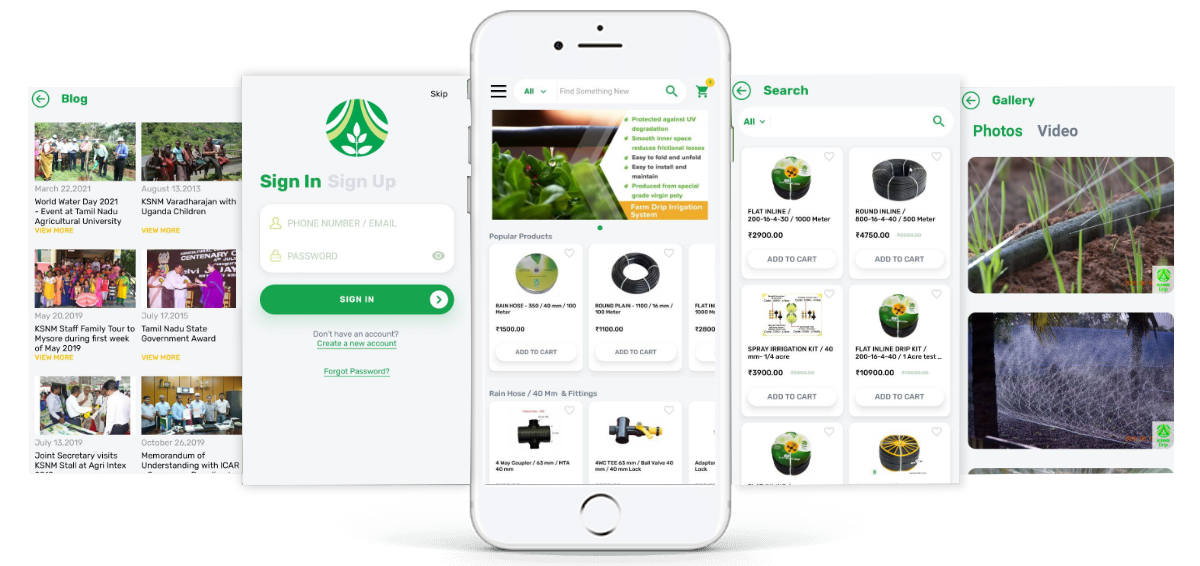
Introducing KSNM Drip’s Mobile App
Through our app’s convenience, start enjoying easy access, better experience and simple payment process. Download our App and begin your cart buying right away.


 Special offer!
 Track Order