Posted On: January 22, 2026
Posted By: KSNM DRIP
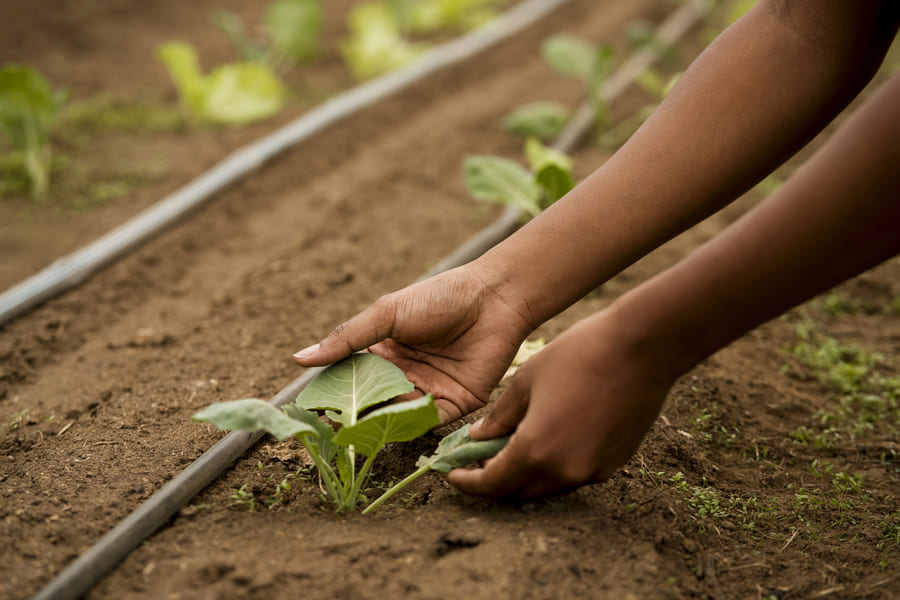
Drip farming is a versatile irrigation approach that works across vegetables, fruits, field crops, and plantations. This blog explains how drip irrigation improves water efficiency, supports healthier plant growth, and helps farmers achieve consistent yields while reducing input costs.
Modern agriculture is no longer about using more water to grow more crops, it’s about using water wisely. This is where drip irrigation has emerged as one of the most reliable and scalable solutions for farmers across crop types. From vegetables and fruits to plantations and field crops, drip farming has proven that precise watering leads to healthier plants and better yields.
As farmers face rising water scarcity, unpredictable rainfall, and increasing input costs, drip farming offers a smarter, more controlled way to grow crops. This blog explores how drip irrigation adapts to different crops, why it works so well across farming systems, and how farmers can use it as a long-term growth strategy.
Drip farming is an irrigation method where water is delivered slowly and directly to the plant’s root zone through emitters. Instead of flooding the entire field, drip irrigation ensures that only the required amount of water reaches the crop. This focused approach reduces wastage, prevents overwatering, and keeps soil moisture at optimal levels.
What makes drip farming effective is its consistency. Plants receive steady moisture throughout their growth cycle, which reduces stress and supports uniform development. This is especially important for crops that are sensitive to water fluctuations, making drip irrigation a dependable solution for both beginners and experienced farmers.
Vegetable crops like tomatoes, chillies, onions, brinjal, and leafy greens require frequent but controlled watering. Drip farming suits these crops perfectly because it maintains consistent moisture without waterlogging the soil. With drip irrigation, water reaches the roots directly, improving nutrient absorption and reducing disease caused by excess moisture on leaves.
Vegetable farmers often see improved fruit size, better colour, and more uniform harvests when switching to drip systems. In addition, because water is applied only near the crop rows, weed growth between rows is significantly reduced, saving both labour and time.
Fruit trees and orchards benefit greatly from drip farming because they require deep, targeted watering rather than surface flooding. Drip irrigation delivers water slowly to the root zone, encouraging strong root development and better flowering and fruiting.
For orchard crops such as mango, banana, citrus, and coconut, drip irrigation helps manage water efficiently even on uneven terrain. Farmers can also adjust water supply based on tree age and season, making drip farming a flexible and precise solution for long-term orchard management.
Field crops like sugarcane, cotton, maize, and groundnut have traditionally relied on flood irrigation. However, drip farming is increasingly being adopted for these crops due to its water-saving potential. With drip irrigation, water is applied evenly along crop rows, reducing losses due to evaporation and runoff.
Plantation crops benefit from drip systems because they often cover large areas where water distribution can be uneven. Drip farming ensures consistent moisture across the field, leading to uniform growth and improved yield stability even in water-stressed regions.
One of the biggest advantages of drip farming is its compatibility with fertigation, the process of applying fertilizers through irrigation water. When combined with drip irrigation, fertigation delivers nutrients directly to the root zone, improving fertilizer efficiency and reducing nutrient loss.
This method allows farmers to feed crops in smaller, more frequent doses, which aligns better with plant growth stages. Over time, this results in healthier crops, lower fertilizer usage, and reduced input costs, making drip farming both economical and sustainable.
Why Drip Farming Works Across All Soil Types
Different soils absorb and retain water differently, but drip farming adapts well across soil conditions. In sandy soils, drip irrigation supplies water slowly to prevent rapid drainage. In clay soils, it avoids surface runoff by delivering water at a controlled rate.
Because drip irrigation can be customized for spacing, flow rate, and scheduling, farmers can fine-tune the system to suit their soil type and crop needs. This adaptability is one of the reasons drip farming works effectively across diverse agricultural regions.
While drip farming involves an initial setup cost, the long-term benefits often outweigh the investment. Reduced water usage, lower labour requirements, and improved yield quality contribute to faster cost recovery. Many farmers find that drip irrigation systems pay for themselves within a few seasons.
Additionally, drip systems are modular, allowing farmers to start small and expand gradually. With proper maintenance, drip irrigation components can last for several years, making drip farming a sustainable long-term solution.
Conclusion
Drip farming is not limited to a single crop or farming style, it is a versatile approach that works across vegetables, fruits, field crops, and plantations. By delivering water precisely where it is needed, drip irrigation improves water efficiency, supports healthier plant growth, and increases overall productivity.
For farmers looking to future-proof their fields, drip farming offers a practical balance between technology and simplicity. The key takeaway is clear: when water is used wisely, crops grow better, costs reduce, and farming becomes more sustainable. Drip farming truly is a smart way to grow, no matter the crop.





 How to Choose Betwee...
October 08, 2026
How to Choose Betwee...
October 08, 2026
 Two Decades of KSNM ...
September 02, 2026
Two Decades of KSNM ...
September 02, 2026
 Tomato Drip Irrigati...
September 02, 2026
Tomato Drip Irrigati...
September 02, 2026
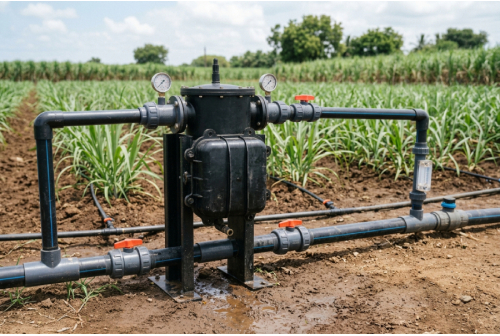 Filters in Drip Irri...
September 02, 2026
Filters in Drip Irri...
September 02, 2026
 Drum Seeder and Cono...
September 02, 2026
Drum Seeder and Cono...
September 02, 2026
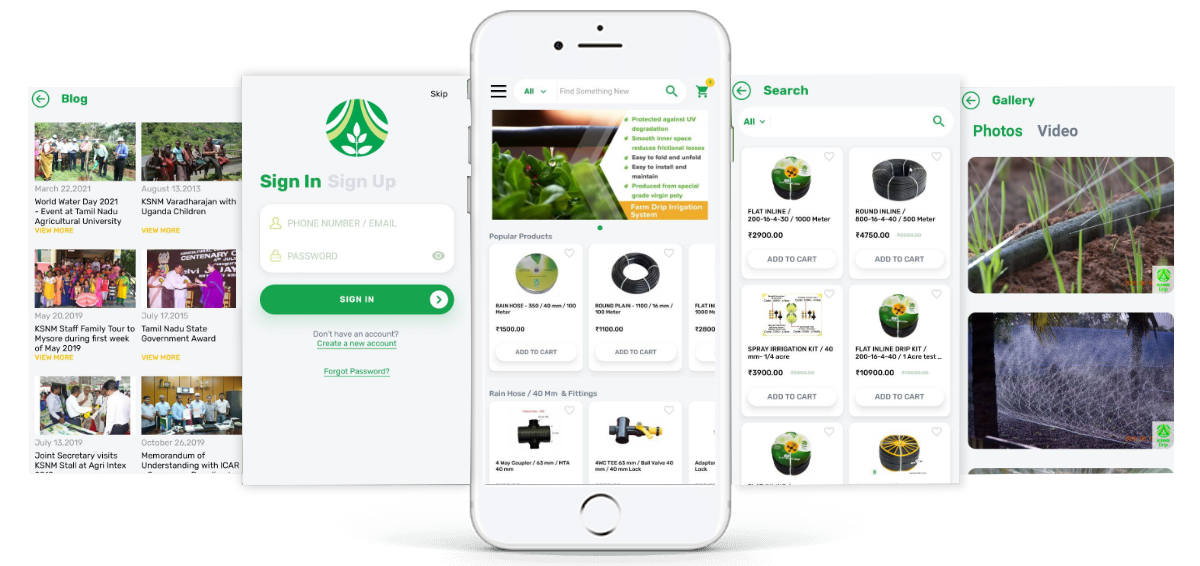
Introducing KSNM Drip’s Mobile App
Through our app’s convenience, start enjoying easy access, better experience and simple payment process. Download our App and begin your cart buying right away.


 Special offer!
 Track Order