Posted On: February 07, 2026
Posted By: KSNM DRIP
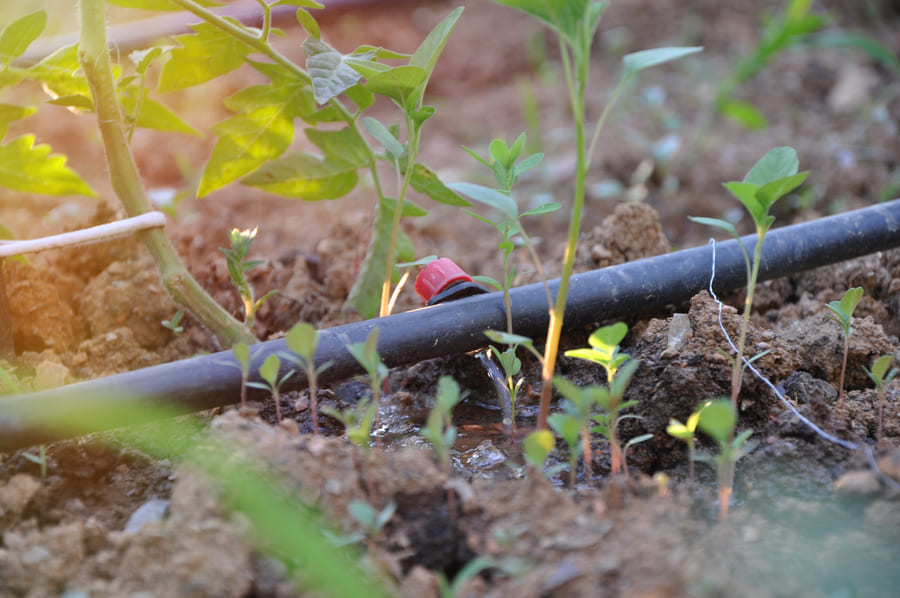
Many drip irrigation systems fail silently due to hidden issues like clogging, pressure imbalance, and poor maintenance. This blog explains what causes these problems, how they impact crops, and how farmers can prevent long-term yield losses.
Drip irrigation is widely recognised as one of the most efficient ways to deliver water directly to crops, saving resources while improving yields. Yet, many farmers are surprised when a system that looks perfectly fine on the surface slowly begins to fail. Plants show uneven growth, yields decline, and water efficiency drops, without any obvious warning. This is the silent killer in drip irrigation: hidden issues that quietly damage system performance over time.
In most cases, the problem isn’t the technology itself, but what happens inside the system when small issues are ignored. This article explains what the silent killer in drip irrigation really is, why it goes unnoticed, and how understanding it early can protect both crop health and long-term farm productivity.
The silent killer in drip irrigation is not a single fault, but a combination of unseen factors that slowly reduce system efficiency. Most commonly, it refers to clogging, uneven pressure distribution, and poor water quality that restrict flow at the emitter level. Because drip irrigation works below the surface or along long lateral lines, these problems don’t immediately catch the eye.
Unlike a broken pipe or pump failure, drip irrigation issues develop gradually. A few blocked emitters today can turn into widespread moisture imbalance tomorrow. By the time visible crop stress appears, the system may have already lost a significant portion of its efficiency, directly affecting yield and water use.
Clogging is one of the most underestimated threats in drip irrigation systems. Fine sand, silt, organic matter, algae, or dissolved salts can slowly accumulate inside drippers and laterals. Even with filtration in place, micro-particles can pass through and settle over time, especially if maintenance is irregular.
What makes clogging dangerous is its uneven nature. Some plants continue to receive water while others receive far less, creating inconsistent soil moisture. This leads to patchy crop growth, weak root development, and reduced nutrient uptake. In drip irrigation, uniformity is everything, and clogging silently breaks that balance without drawing immediate attention.
Another hidden threat in drip irrigation is pressure imbalance along the pipeline. Variations in field length, slope, or improper system design can cause pressure drops that affect water delivery at the far ends of the field. While the system may appear to be running normally, the last plants often receive significantly less water.
Pressure-related issues are especially damaging because they compound over time. Crops at the start of the line may show healthy growth, masking problems elsewhere. Without regular monitoring, farmers may not realise that a portion of the field is under-irrigated until yield differences become obvious. In drip irrigation, consistent pressure is essential for consistent results.
Water quality plays a crucial role in the health of drip irrigation systems, yet it is often overlooked. High mineral content, iron, or biological contaminants can slowly coat the internal surfaces of pipes and emitters. This buildup reduces flow rates and increases the risk of blockage.
Over time, poor water quality not only affects irrigation uniformity but also shortens the lifespan of the system. Farmers may notice rising maintenance costs or frequent replacements without understanding the root cause. Addressing water quality early helps protect drip irrigation infrastructure and ensures reliable performance season after season.
One reason the silent killer in drip irrigation is so dangerous is that the system continues to function, at least partially. Water is still flowing, pumps are still running, and crops may look acceptable in the early stages. This creates a false sense of security.
Drip irrigation problems don’t announce themselves loudly. Instead, they quietly reduce efficiency, increase water waste, and lower yields over time. Without routine inspection, flushing, and pressure checks, these issues remain hidden until the damage becomes costly and difficult to reverse.
The good news is that most silent failures in drip irrigation are preventable with awareness and consistent care. Regular system flushing, proper filtration, and periodic pressure monitoring help keep emitters functioning uniformly. Addressing minor blockages early prevents widespread damage later.
Equally important is choosing the right components and maintaining them properly. Drip irrigation systems are long-term investments, and like any precision tool, they perform best when treated proactively rather than reactively. A small effort in maintenance can protect yields, conserve water, and extend system life significantly.
Conclusion
Drip irrigation is a powerful solution for modern farming, but its greatest weakness lies in problems you cannot see. The silent killer, clogging, pressure imbalance, and water quality issues, can quietly undermine system performance if left unchecked. Understanding these risks is the first step toward protecting your crops and investment.
By paying attention to what happens inside the system, farmers can preserve the true benefits of drip irrigation: uniform water delivery, healthier crops, and higher yields. The most successful irrigation systems are not just installed correctly, but monitored, maintained, and respected over time. Staying ahead of the silent killer ensures drip irrigation continues to work exactly as it was designed to.





 Drum Seeder and Cono...
September 02, 2026
Drum Seeder and Cono...
September 02, 2026
 Jasmine and Marigold...
August 27, 2026
Jasmine and Marigold...
August 27, 2026
 Understanding KSNM's...
August 20, 2026
Understanding KSNM's...
August 20, 2026
 Water Crisis 2026: W...
August 06, 2026
Water Crisis 2026: W...
August 06, 2026
 Cotton Drip Irrigati...
August 13, 2026
Cotton Drip Irrigati...
August 13, 2026
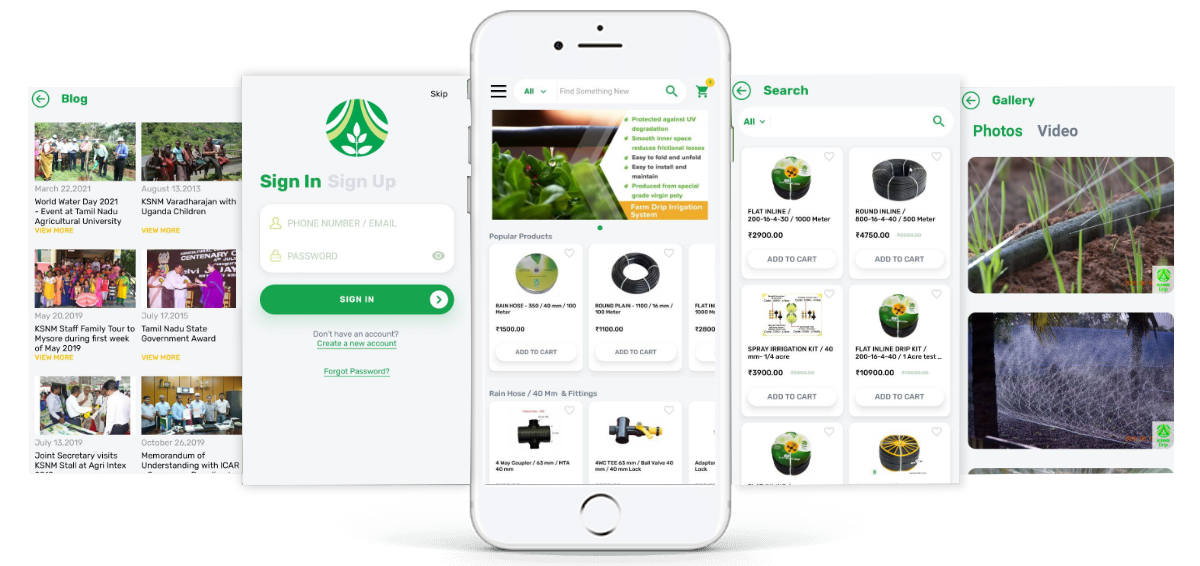
Introducing KSNM Drip’s Mobile App
Through our app’s convenience, start enjoying easy access, better experience and simple payment process. Download our App and begin your cart buying right away.


 Special offer!
 Track Order